

Publish blog post: CBD Topical or Tincture? How to Pick the Right Format for Recovery
This comes up constantly: someone’s ready to try CBD for training recovery and has no idea whether to grab a topical or a tincture. The honest answer is it depends on what problem you’re actually trying to solve, and the two aren’t really interchangeable.
How they’re different at the most basic level
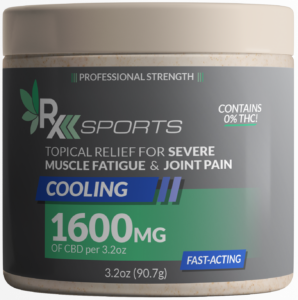
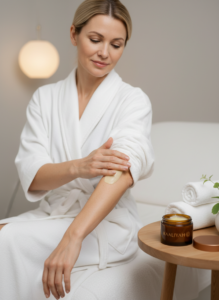
A topical, like Blue Majic or Red Effect, is applied directly to the skin over a specific muscle or joint. It works locally. The CBD and other active compounds interact with cannabinoid receptors in the skin and surrounding tissue without needing to enter the bloodstream in meaningful amounts.
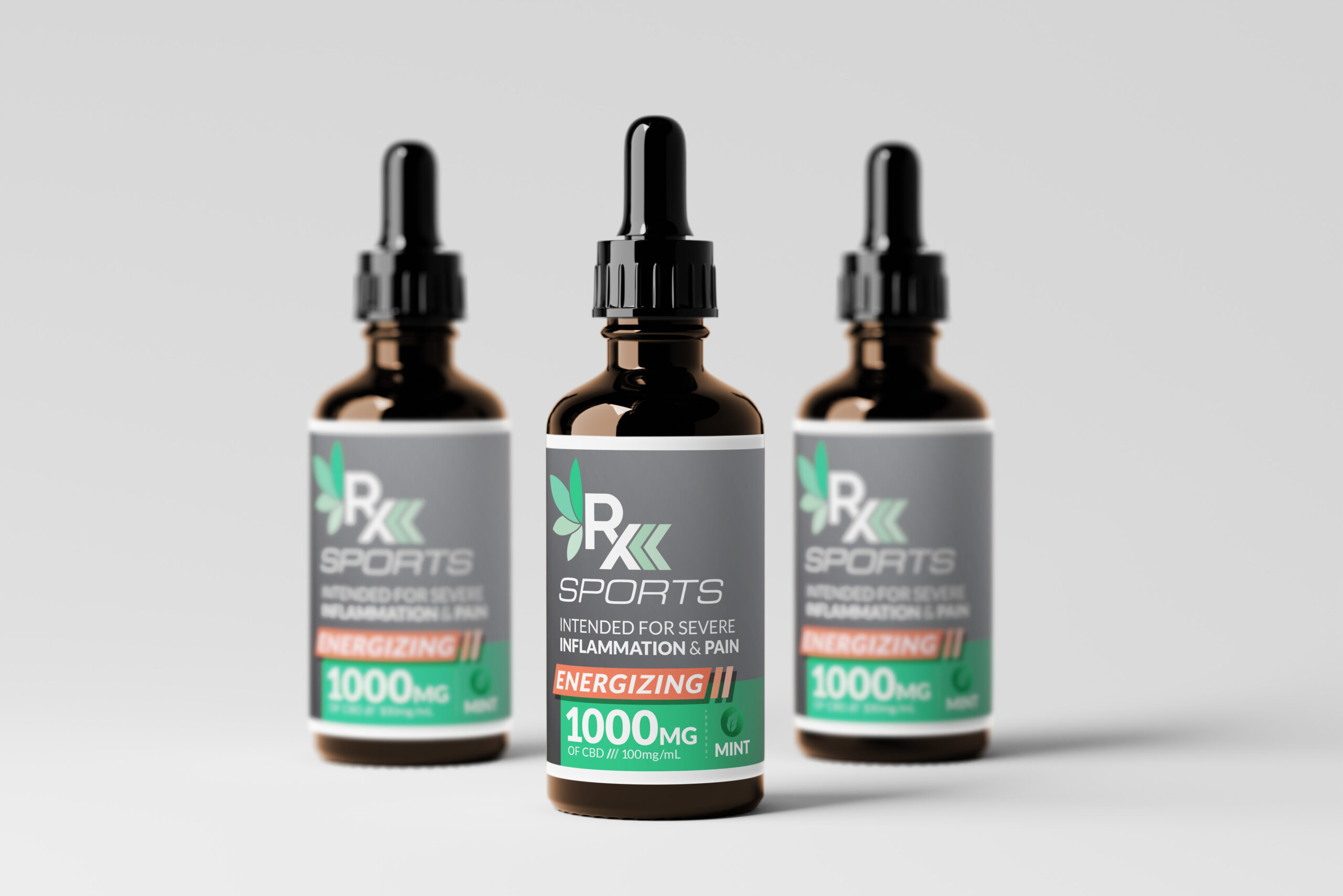
A tincture is taken sublingually, held under the tongue for absorption through the mucous membranes before swallowing. It enters the bloodstream and has a systemic effect, meaning it’s working throughout the body rather than in one localized spot.
When a topical makes more sense
If you’ve got a specific, identifiable sore spot, a tight lower back after deadlifts, achy knees after a long run, shoulders wrecked from overhead work, a topical is the more direct tool. You’re putting the product exactly where the discomfort is, and formulations built with a wax-based or shea butter base tend to stay put through sweat rather than sliding off within twenty minutes, which matters if you’re applying before or during a session rather than only after.
Cooling topicals, like Blue Majic, are generally preferred by people who want a topical they can use before or during activity without the sensation being distracting. They tend to feel less intense on the skin. Warming topicals, like Red Effect, use ingredients like capsaicin that create a warming sensation some people find more effective for deep, stiff muscle tightness, and are typically better suited to post-training or rest-day use, when a stronger sensory effect isn’t going to interfere with a workout.
Can you use both
Yes, and a lot of people do. Applying a topical to a specific problem area while also taking a tincture as part of a daily routine isn’t overkill. They’re addressing different things. The topical is targeted; the tincture is systemic. Using them together isn’t redundant any more than icing a specific joint while also getting enough sleep would be redundant.
What actually determines which one works better for you
This is where individual variation matters more than any general rule. Skin sensitivity, how localized your soreness is, whether you’re dealing with one joint or whole-body fatigue, and honestly just personal preference all play a role. Some people find topicals more satisfying because the effect feels immediate and tactile. Others prefer tinctures because they don’t want to deal with applying and rubbing in a product, especially post-workout when they’d rather shower and move on.
The practical starting point
If you’re new to CBD and trying to figure out where to start, match the format to the problem. Localized, specific soreness: start with a topical. General recovery, sleep support, or systemic inflammation management: start with a tincture. If you’re dealing with both, there’s no rule against using both, just don’t expect either one to be a complete substitute for the basics of actual recovery, which still come down to sleep, hydration, and giving your body time to adapt.




No comment yet, add your voice below!