

How a Warming CBD Topical Like Red Effect Actually Works on Sore Muscles
That warm, slightly tingly sensation you get from a warming topical isn’t the CBD. It’s a completely different mechanism doing its own thing alongside the CBD, and understanding the difference actually helps you use the product better.
The sensation comes from capsaicin, not cannabidiol
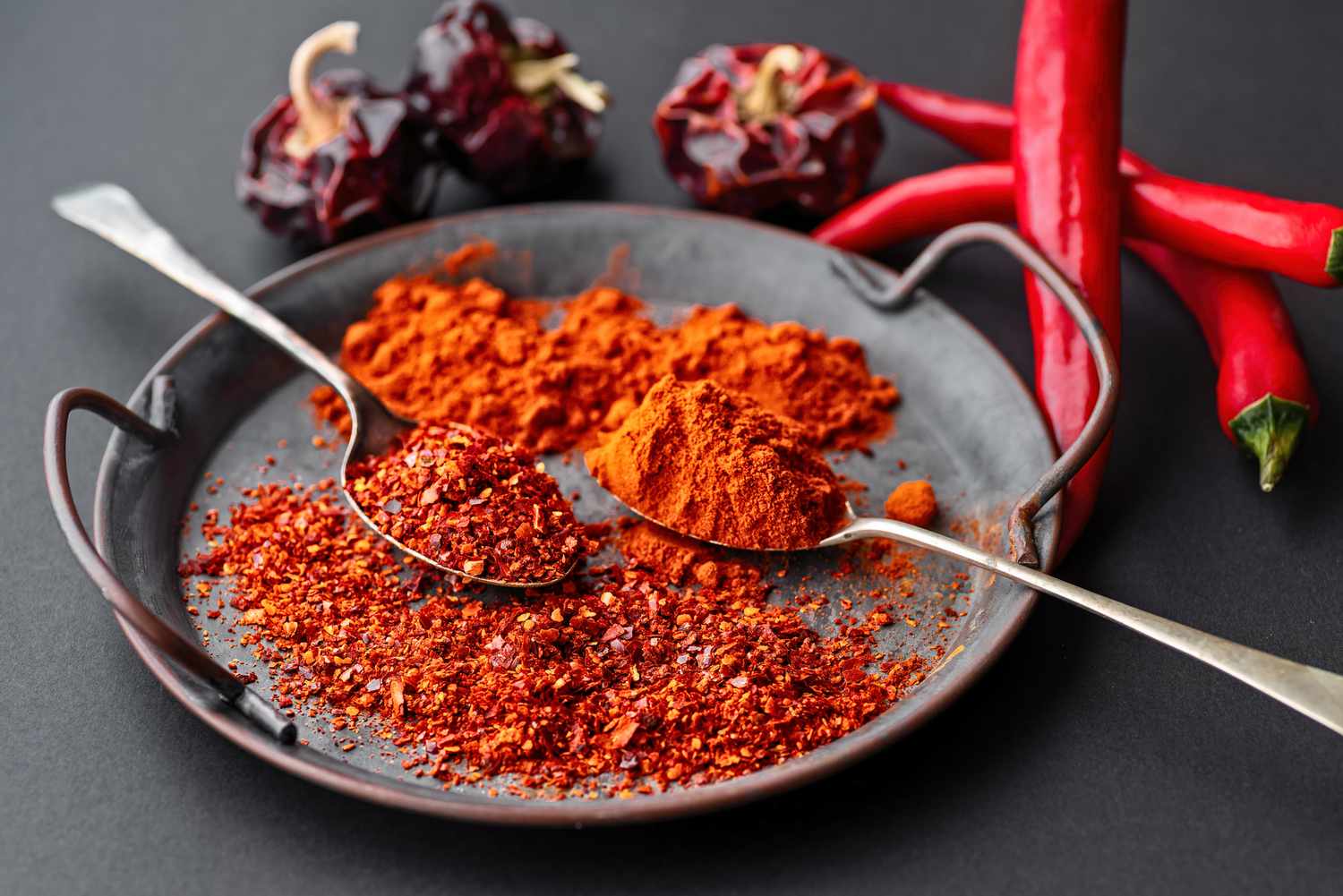
Capsaicin is the compound that gives chili peppers their heat, and it’s a common active ingredient in warming topicals for a reason that has nothing to do with cannabinoids. Capsaicin binds to a receptor called TRPV1 on sensory nerve endings, the same receptor that responds to actual heat. That’s why it produces a genuine warming sensation on the skin even though there’s no external heat source involved.
With repeated use, capsaicin has a second effect: it can deplete substance P, a neurotransmitter involved in transmitting pain signals to the brain. This is the mechanism behind capsaicin’s use in topical pain treatments generally, well beyond CBD products specifically. It’s been studied and used in dermatology and pain management for decades. The warming sensation you feel initially is a side effect of the same receptor activation that, over repeated applications, may help reduce localized pain signaling.
Where CBD comes in
CBD doesn’t create the sensation you feel. It works through the endocannabinoid system, which has receptors present in skin tissue as well as throughout the body, and is thought to play a role in modulating local inflammation and pain response through a mechanism separate from capsaicin’s TRPV1 pathway. So a topical like Red Effect is really running two mechanisms at once, the immediate, sensory warming effect from capsaicin, and the slower, less immediately noticeable anti-inflammatory interaction from CBD.
Why the formula includes more than just those two things
A well-formulated warming topical typically layers in a handful of other plant compounds alongside CBD and capsaicin, things like arnica, which has its own long history in topical bruise and soreness treatment, and menthol in smaller amounts to balance the sensory profile. The base itself matters too: a wax-based, shea butter formula is chosen specifically because it stays put through sweat and movement, rather than absorbing and wearing off within the first few minutes the way a thinner lotion would.
How to actually use it for the best effect
Warming topicals are generally better suited to after training or on rest days rather than right before or during activity, since the warming sensation itself can be distracting if you’re trying to focus on a workout, that’s part of why cooling formulas tend to be preferred pre-training. Applying generously and consistently, rather than sparingly and occasionally, tends to produce better results, since both the capsaicin effect and the CBD’s interaction with local receptors work better with regular exposure than a single application.
It’s also worth applying to intact skin only, avoiding the eyes, mouth, and any open wounds, and washing hands after application. Capsaicin doesn’t distinguish between the muscle you’re trying to treat and your eyes if you touch your face afterward, and that’s an unpleasant mistake most people only make once.
The takeaway
The warmth you feel is real, but it’s not the CBD working, it’s capsaicin doing exactly what it’s designed to do at the nerve-receptor level. The CBD is working quietly in the background, on a different timeline and through a different mechanism. Understanding that split is useful mainly because it sets the right expectations: the sensation tells you the product is active, but the actual soreness relief is a slower, cumulative effect that builds with consistent use rather than a single dramatic application.





No comment yet, add your voice below!