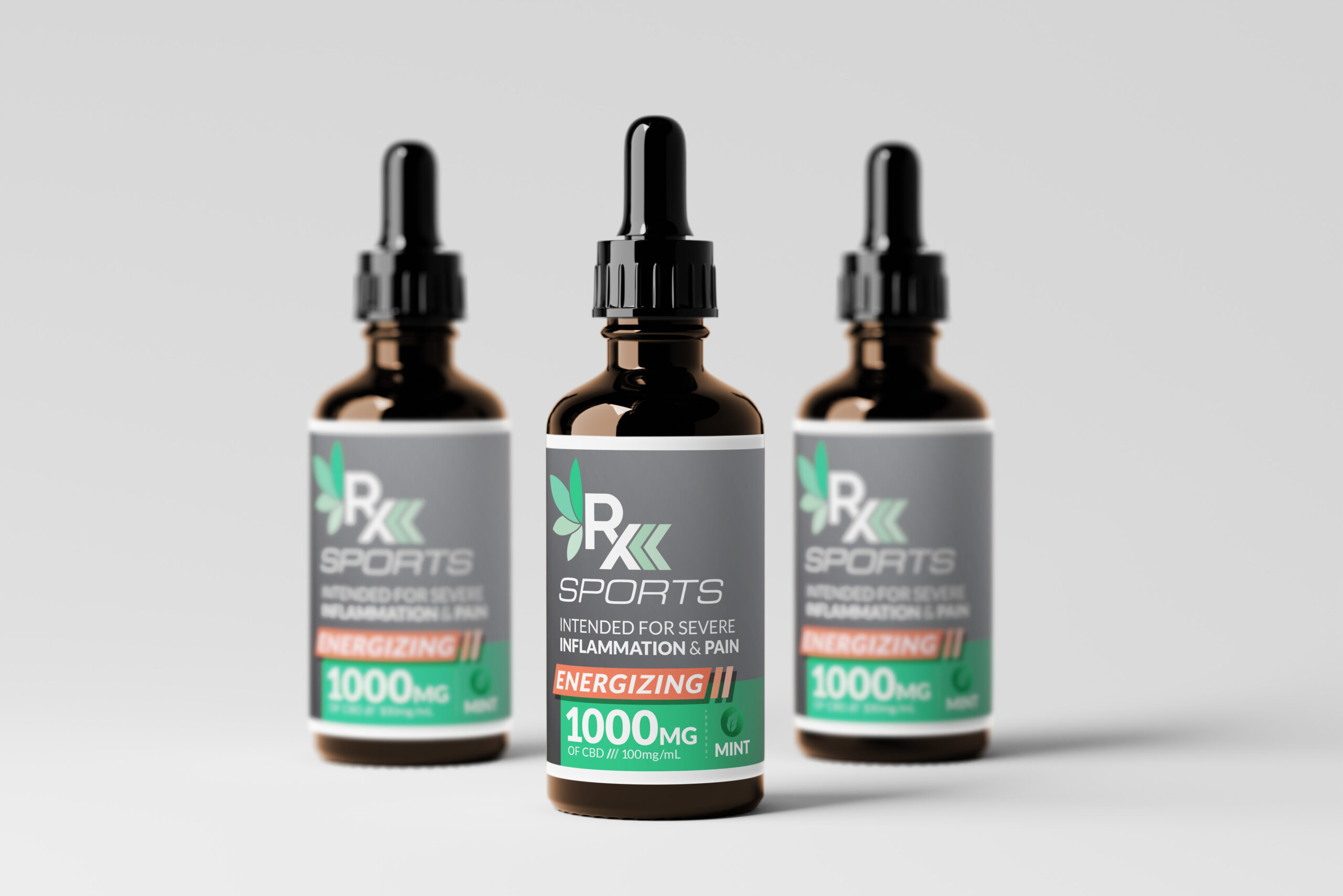

Cooling or Warming: Which CBD Topical Fits Your Training Day
Blue Majic or Red Effect? Cooling or warming? It’s a smaller decision than a lot of people treat it as, but there’s an actual logic to it once you know what each one is doing.
The core difference isn’t the CBD
Both formulas deliver the same 500mg of broad-spectrum CBD per ounce. The difference between a cooling and a warming topical comes down to the secondary active ingredients layered in alongside the CBD — menthol-forward compounds for a cooling sensation, capsaicin for a warming one. Same cannabinoid foundation, different sensory experience, and slightly different practical use cases.
Cooling: built for before and during
A cooling topical produces a sensation similar to menthol-based products most people already know — the immediate, slightly numbing cool feeling on contact. That sensation comes from menthol activating a different temperature-sensitive receptor (TRPM8) than the one warming products activate, which is why the two feel so distinctly different even though both are technically “counterirritants” working on the nervous system’s pain-gating mechanism.
Because the cooling sensation is generally less distracting during movement, this is the more common choice for pre-training application, or for use during a session on a joint or muscle group that’s already flaring up. It’s also frequently preferred for acute, sharper discomfort — a tweaked muscle mid-session, an ankle that’s starting to bother you on a run — where an intense sensory distraction isn’t ideal.
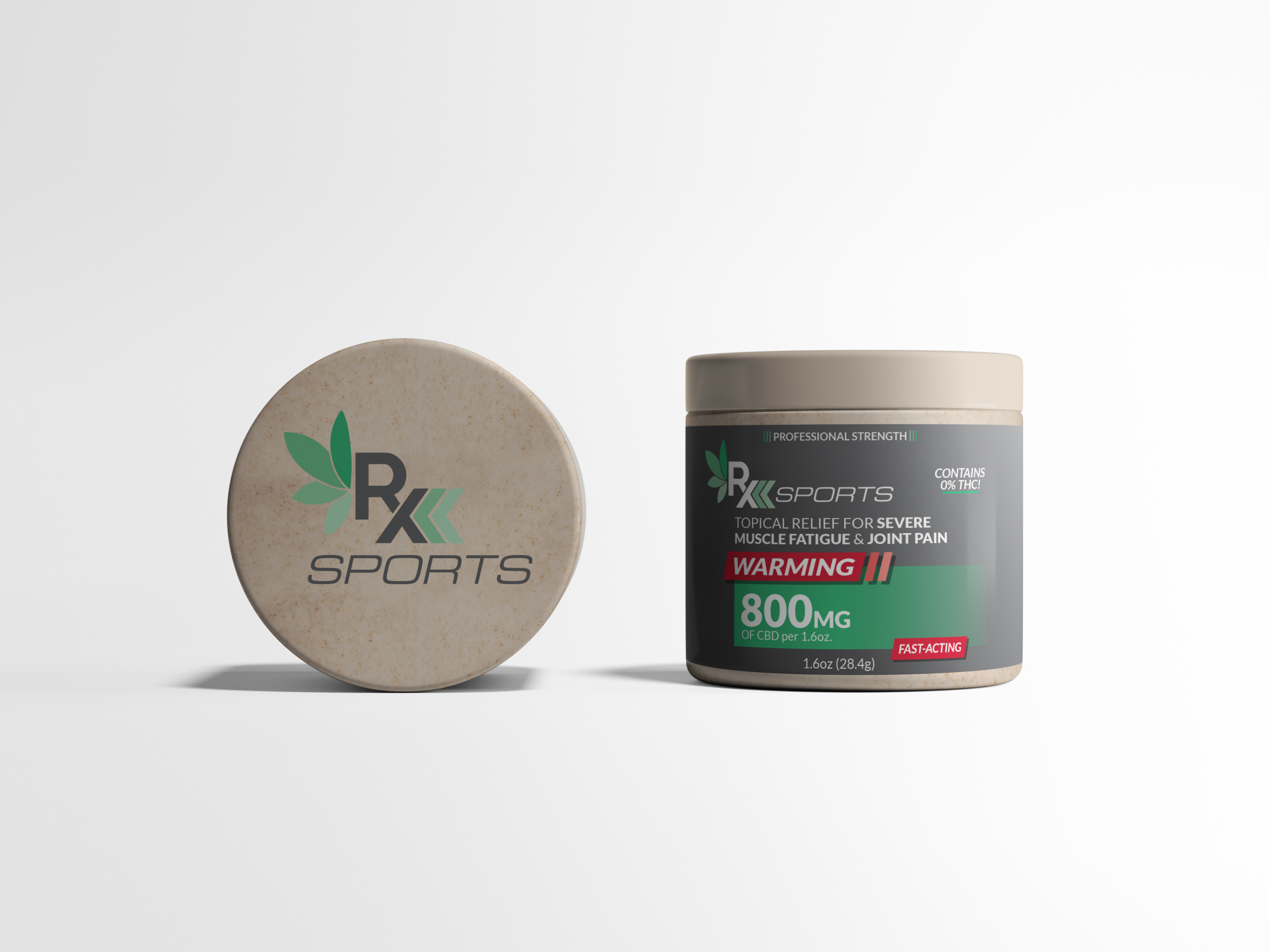
Warming: built for after and on rest days
A warming topical uses capsaicin to activate TRPV1 receptors, producing genuine heat on the skin. This tends to work better for deep, stiff, chronic-feeling soreness — the kind you get the day after a heavy leg session, or in a joint that’s been bothering you for weeks rather than hours. The warming sensation itself can feel genuinely relieving for that specific kind of stiffness in a way a cooling sensation doesn’t quite replicate.
Because the warming sensation is more noticeable and can be a bit much mid-workout, this is generally the better choice for post-training or rest-day use, when you’re not trying to focus on performance and the sensory effect isn’t competing with anything.
Does one work “better”
Not inherently — this comes down more to personal preference and the specific type of discomfort than one formula being objectively superior. Some people find cooling sensations more soothing regardless of context; others find warming products more satisfying for deep muscle tightness specifically. There’s no research suggesting one produces meaningfully different anti-inflammatory outcomes from the CBD itself, since that mechanism is identical in both. The difference is entirely in the secondary ingredient and the sensory experience it creates.
A practical way to decide
If you’re not sure where to start, match it to timing rather than trying to guess a preference in the abstract. Training today and want something you can apply beforehand without it being distracting: cooling. Sore from yesterday and looking for something to use tonight or on a rest day: warming. A lot of people who use both regularly end up keeping one of each — cooling for pre- and mid-training use, warming for evenings and rest days — rather than committing to just one.
The bottom line
The CBD dose and the underlying benefit case are the same either way. What you’re actually choosing between is a sensory experience and a use-case fit, not a difference in effectiveness. Try both if you’re genuinely unsure — plenty of people do, and there’s no reason not to have both in rotation depending on the day.